

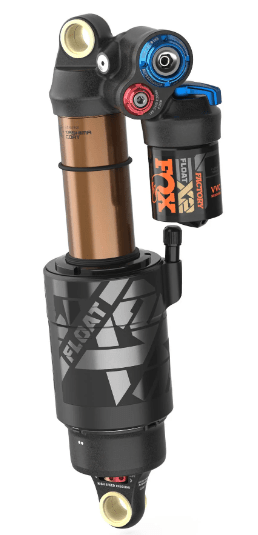
Click Suspension’s Commitment to Reducing Air Spring Pressure Transfer Issues
FOX X2 Air Spring Pressure Transfer Issues
Over the past few years, Click Suspension has taken significant steps to reduce air spring pressure transfer into the damper body. By implementing a specialized damper shaft seal compound, we’ve enhanced both the performance and reliability of the FOX Float X2 rear shock—especially in challenging conditions such as cold weather.
Common Issues with the FOX Float X2 Rear Shock
The FOX Float X2 rear shock is known for high performance, but it can present several issues within the first year of use. These problems may affect ride quality, durability, and overall functionality. Many of these issues require expert servicing that may go beyond the capabilities of a typical local bike shop.
1. Air Transfer into the Damper
Air bubbles in the damper oil are a common problem. This compromises the suspension’s ability to absorb impacts, leading to inconsistent damping, loss of control, and degraded ride quality. Prompt attention is essential to restore optimal performance.
2. Cold Temperature Shaft Seal Failure
In cold conditions—particularly near freezing or below—urethane shaft seals become stiffer and less elastic. This reduces their ability to maintain a tight seal around the damper shaft. Under side loading, micro-gaps can develop between the shaft and seal, allowing air to seep into the damper fluid and degrade damping consistency.
3. Damaged or Worn Seals
Seals can deteriorate over time due to regular use, contamination, or improper servicing. This may result in oil and air leaks, reduced damping performance, and contamination of internal components. Regular inspection and timely seal replacement are key to maintaining shock performance.
4. General Wear and Tear
As with any suspension component, the FOX X2 is subject to wear over time. Internal parts such as bushings, pivot hardware, and seals can degrade with use, reducing performance and increasing the risk of failure. Scheduled servicing can help catch these issues early.
5. Major Component Failures
In more severe cases, we’ve observed failures such as broken damper shafts, cracked eyelets, and Trunnion mount damage—all of which can result in air loss or structural compromise.
6. Permeability
In the context of NBR (Nitrile Butadiene Rubber) seals used in shock absorbers, permeability refers to how easily gases such as air or nitrogen can pass through the rubber material at a molecular level.
Key Points on Permeability of NBR Rubber Seals in Shock Absorbers (e.g., the FOX X2):
Permeability describes the rate at which oil, air, or gas molecules (such as nitrogen) can gradually migrate through the NBR seal material over time. In a shock absorber, this is important because:
- The damper oil is under constant pressure and temperature fluctuations.
- Seals must prevent leakage to maintain damping performance.
- Even if the seal doesn’t leak externally, internal pressure loss can occur due to permeation.
- Recent Complaints: Despite the updates, some riders are still reporting issues with the 2024 – 2025 Float X2 models, such as knocking sounds, air transfer into oil and leaks.
Contact Click today if your looking for top rated suspension service company.